Welcome Autism 2027

Welcome Message

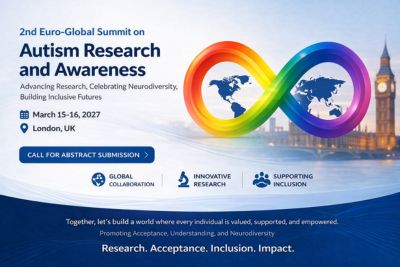
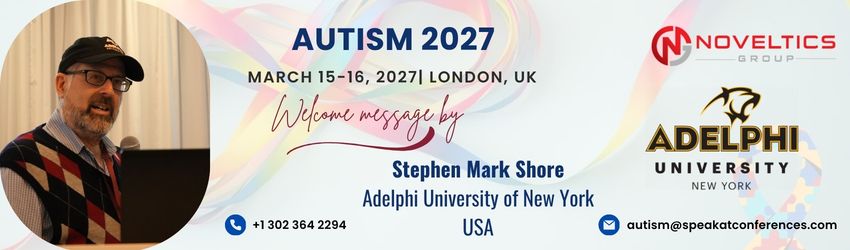
The 2nd Euro-Global Summit on Autism Research and Awareness will be held on March 15-16, 2027, in London, UK, under the theme “Global Innovations in Autism Research and Awareness for an Inclusive Future.”

This international summit convenes researchers, clinicians, educators, and policy professionals committed to advancing Autism Spectrum Disorder (ASD) research, clinical practice, and inclusive support systems.

The conference provides a comprehensive platform to examine progress in early diagnosis, neurodevelopmental science, evidence-based interventions, and assistive technologies. Key areas include behavioral therapies, cognitive neuroscience, inclusive education models, and translational research aimed at improving long-term outcomes for individuals with autism.

Through keynote sessions, scientific presentations, and expert-led discussions, participants will engage with current research and practical frameworks. The program emphasizes interdisciplinary collaboration, addressing co-occurring conditions such as ADHD and anxiety, alongside communication strategies, family-centered care, and inclusive policy development.

About the Conference

The Autism Research and Awareness Summit 2027 is a global forum focused on strengthening scientific research, clinical innovation, and public awareness of ASD.

Scheduled in London, this conference brings together a multidisciplinary network of healthcare professionals, researchers, therapists, educators, and policymakers to promote the translation of research into evidence-based, real-world applications.

Core program areas include:

·  Early diagnosis and screening methodologies
·  Intervention strategies and behavioral therapies
·  Neuroscience and developmental research
·  Assistive and digital health technologies
·  Mental health and co-occurring conditions
·  Inclusive education and community-based care

Participants will benefit from keynote lectures, oral presentations, poster sessions, and workshops, designed to facilitate knowledge exchange and international collaboration.

Student Poster Competition - Autism 2027

The Student Poster Competition offers a structured academic platform for undergraduate, postgraduate, and doctoral students to present original research and analytical insights in autism studies.

Aligned with the conference theme, this competition encourages methodological rigor, innovation, and interdisciplinary research. Participants will present their work to an international audience, enhancing academic visibility and professional engagement.

Focus Areas Include:

·  Behavioral and cognitive frameworks
·  Inclusive education strategies
·  Assistive and digital technologies
·  Community-based and public health approaches

Posters will be evaluated based on: 

·  Scientific quality and originality
·  Analytical depth
·  Clarity of presentation
·  Relevance to current challenges in autism research

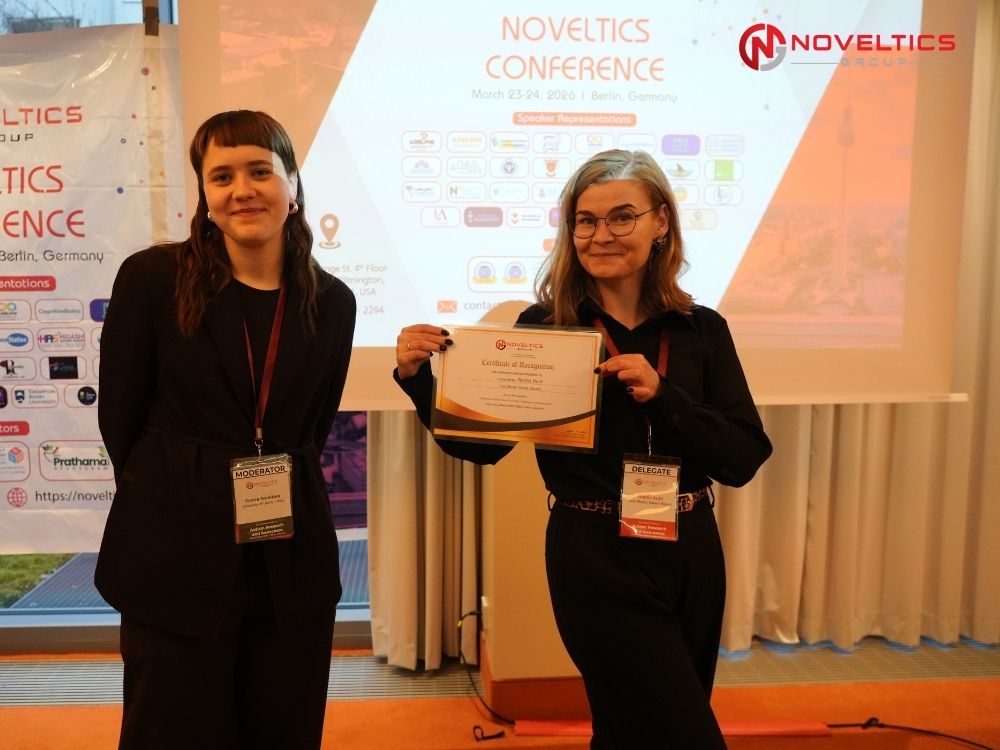
Outstanding contributions will receive recognition awards, supporting future research and academic advancement.

Key Benefits of Participation

·  Engage with Experts: Interact with leading researchers, clinicians, and mental health professionals
·  Evidence-Based Practice: Gain insights into ABA, CBT, speech therapy, and early intervention frameworks
·  Global Networking: Connect with professionals across research, healthcare, and education sectors
·  Research Presentation Opportunities: Present findings and enhance academic impact
·  Interdisciplinary Collaboration: Integrate knowledge across neuroscience, clinical practice, and public health
·  Technology in Autism Care: Discover innovations in AI diagnostics, assistive tools, and digital therapeutics
·  Comorbidity Insights: Understand ADHD, anxiety, and related neurodevelopmental conditions
·  Clinical & Educational Development: Strengthen diagnostic, therapeutic, and educational strategies
·  Policy & Inclusion: Explore frameworks for inclusive education and disability policy
·  Collaborative Partnerships: Build connections with global institutions and organizations
·  Professional Advancement: Enhance research exposure and career opportunities
· Access Advanced Research: Explore developments in ASD, neurodevelopment, and precision-based interventions

This summit serves as a global platform for advancing autism research, clinical innovation, and inclusive practices.

Researchers, clinicians, and students are invited to contribute to this collaborative forum and support the development of effective, evidence-based solutions for ASD.

Submit your abstract and participate in shaping the future of autism research and inclusive care

What's new this year?

50+ Great Speakers

Discover a constellation of brilliance with our curated selection of 50+ extraordinary speakers! From industry titans to influential thought leaders, these luminaries ignite inspiration and drive change across diverse arenas. Uncover groundbreaking insights from tech innovators, absorb wisdom from visionary leaders, and be moved by impassioned storytellers. Join this unparalleled gathering of minds as they share expertise, motivate change, and reshape the world with their unparalleled knowledge and visionary outlooks!

Find Out More
15+ Keynote Speakers

Unveiling a cadre of 15+ exceptional keynote speakers, each a beacon of insight and inspiration! These thought leaders and visionaries bring diverse expertise, from cutting-edge tech to transformative leadership strategies. Engage with their captivating narratives, glean wisdom from their experiences, and absorb their visionary perspectives. Join this exclusive assembly of minds poised to ignite motivation, drive change, and chart new frontiers in innovation, leadership, and personal growth!

Find Out More
10+ Workshops & Exhibitions

Embark on a dynamic journey with our array of 10+ immersive workshops and exhibitions! Dive into hands-on sessions led by industry experts, unlocking new skills and strategies in diverse fields. Explore interactive exhibits showcasing cutting-edge technologies, innovative products, and groundbreaking ideas. Engage, learn, and network in these vibrant spaces, gaining invaluable insights and forging connections that inspire growth, innovation, and advancement across various industries!

Find Out More

Organizing Committee Members

Inspiring minds, stirring change, and leaving an indelible mark—our notable speakers, your brilliance lit up our conference stage.

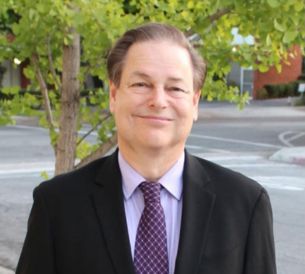
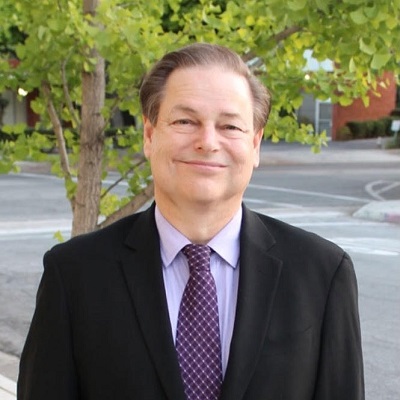
Stephen Mark Shore

Stephen Mark Shore

Clinical Associate Professor of Special Education
Adelphi University of New York
USA

Luis Fernando Bevilacqua Meireles

Luis Fernando Bevilacqua Meireles

Occupational Therapist and Educator

Brazil
Rashmi Das

Rashmi Das

Chairperson
Higashi Autism School
India
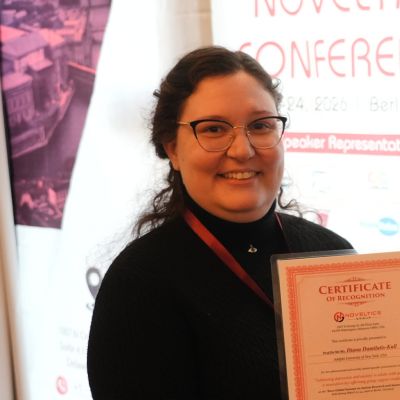
Diana Damilatis Kull

Diana Damilatis Kull

Director, Bridges to Adelphi Program
Adelphi University of New York
USA
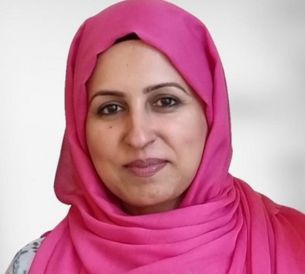
Uzma Akser

Uzma Akser

Executive and Leadership Coach and Consultant, Certified Autism Specialist
Uzma Akser Coaching and Consulting
United Kingdom
Richard G Boles

Richard G Boles

Pediatrician
Mitochondrial & Molecular Medicine
USA
Magdalena Cubala Kucharska

Magdalena Cubala Kucharska

Doctor of Medical Sciences
Arcana Institute
Poland
Knut Moller

Knut Moller

Institute of Technical Medicine
Furtwangen University
Germany
Scientific Sessions
  • Autism Diagnostics: Genomics & AI
  • AI & Data Science in Autism Research
  • Precision Medicine in Autism
  • Early Autism Screening & Detection
  • Mental Health & Co-occurring Conditions
  • Brain Connectivity & Neuroimaging
  • VR & Digital Therapeutics in Autism
  • Advanced Behavioral Interventions
  • Speech, Language & Communication Tools
  • Lifespan Care & Adult Autism
  • Inclusive & Special Education Models
  • Workplace Inclusion & Employment
  • Wearables & Smart Health Monitoring
  • Assistive & Adaptive Living Technologies
  • Global Autism Policy & Advocacy
  • Public Health & Community Approaches
  • Autism Care in Low-Resource Settings
  • Family & Caregiver Support
  • Autism Self-Advocacy & Lived Experience
  • Cultural & Global Perspectives
  • Epigenetics & Environmental Factors
  • Sensory Processing & Integration
  • Ethics in Autism Research & Practice
  • Accessible Higher Education
  • Autism-Friendly Classrooms
Key Topics
  • Advances in Autism Diagnostics & Early Detection
  • Genomics, Biomarkers & Precision Medicine
  • Artificial Intelligence in Autism Research & Care
  • Neuroimaging & Brain Connectivity in ASD
  • Epigenetics & Environmental Influences
  • Digital Health & Teletherapy in Autism
  • Virtual Reality & Immersive Therapies
  • Evidence-Based Behavioral Interventions
  • Speech, Language & Communication Innovations
  • Sensory Processing & Integration Strategies
  • Mental Health & Co-occurring Conditions
  • Lifespan Approach: From Childhood to Adulthood
  • Adult Autism & Late Diagnosis
  • Wearable Technologies & Remote Monitoring
  • Assistive & Smart Living Technologies
  • Data Science & Big Data in Autism
  • Inclusive & Special Education Approaches
  • Autism-Friendly Learning Environments
  • Higher Education Accessibility & Support
  • Employment, Skills & Workplace Inclusion
  • Global Autism Policies & Advocacy
  • Autism Care in Low-Resource Settings
  • Public Health & Community-Based Interventions
  • Ethics in Autism Research & Clinical Practice
  • Family Support, Self-Advocacy & Lived Experience
Who Can Attend..??
  • Researchers in Autism Spectrum Disorders (ASD)
  • Clinical Psychologists
  • Neurologists and Neurodevelopmental Specialists
  • Speech-Language Pathologists
  • Occupational Therapists
  • Autism Service Providers
  • Mental Health Professionals
  • Academics and Educators Focusing on ASD
  • Early Intervention Specialists
  • Special Education Teachers
  • Behavior Analysts
  • Students Studying Autism
  • Parents and Caregivers of Individuals with Autism
  • Autism Advocates and Activists
  • Healthcare Policymakers and Government Officials
  • Public Health Professionals
  • Representatives from Non-Governmental Organizations (NGOs)
  • Advocates for Autism Rights and Inclusion
  • Social Workers
  • Clinical Researchers
  • Autism Research Funding Organizations
  • Medical Practitioners Interested in ASD
Scientific Sessions
Session 01: Autism Diagnostics: Genomics & AI

Autism Diagnostics: Genomics & AI explores advanced methods combining genetic sequencing and artificial intelligence to improve early, accurate autism spectrum disorder identification. The session highlights biomarker discovery, predictive analytics, and precision diagnostics, enabling personalized interventions, faster clinical decision-making, and data-driven healthcare strategies for improved patient outcomes and research innovation globally.

Session 02: AI & Data Science in Autism Research

AI and data science are transforming autism research by enabling early diagnosis, personalized interventions, and predictive analytics. Machine learning models analyze behavioral, genetic, and neuroimaging data to uncover patterns, improve screening accuracy, and support clinicians. These technologies enhance evidence-based decision-making and accelerate advancements in understanding autism spectrum disorders globally.

Session 03: Precision Medicine in Autism

Precision medicine in autism focuses on personalized, data-driven approaches to diagnosis and intervention. Integrating genomics, biomarkers, and advanced analytics, this session highlights targeted therapies that address individual variability. It explores improved clinical outcomes, early detection strategies, and tailored care models, advancing evidence-based practices for more effective and inclusive autism spectrum disorder management.

Session 04: Early Autism Screening & Detection

Early Autism Screening and Detection focuses on identifying developmental differences at the earliest stages using validated diagnostic tools and behavioral assessments. Emphasizing evidence-based practices, this session explores biomarkers, digital screening methods, and early intervention strategies to improve outcomes, support neurodevelopment, and enable timely clinical decision-making for children at risk of autism spectrum disorder.

Session 05: Mental Health & Co-occurring Conditions

This session explores mental health in autism, focusing on co-occurring conditions such as anxiety, depression, ADHD, and sleep disorders. It highlights early identification, evidence-based interventions, and integrated care models. Attendees will gain insights into improving diagnosis, personalized treatment strategies, and enhancing overall quality of life across diverse populations.

Session 06: Brain Connectivity & Neuroimaging

Explore brain connectivity and neuroimaging in autism research, focusing on functional MRI, EEG, and advanced imaging technologies. This session highlights neural network patterns, biomarkers, and data-driven insights to improve early diagnosis, personalized interventions, and understanding of cognitive and behavioral mechanisms across the autism spectrum.

Session 07: VR & Digital Therapeutics in Autism

VR and digital therapeutics are transforming autism care through immersive, evidence-based interventions. Virtual reality enables safe, controlled environments for social skills training, sensory integration, and behavioral therapy. Scalable digital platforms support personalized treatment, real-time data tracking, and improved clinical outcomes, enhancing accessibility and precision in autism spectrum disorder interventions worldwide.

Session 08: Advanced Behavioral Interventions

Advanced behavioral interventions focus on evidence-based strategies to improve social, communication, and adaptive skills in individuals with autism. Integrating applied behavior analysis, cognitive therapies, and data-driven approaches, these interventions enhance outcomes across settings. Emphasis is placed on personalization, measurable progress, and long-term functional independence through structured, scientifically validated techniques.

Session 09: Speech, Language & Communication Tools

Explore advanced speech, language, and communication tools designed to support individuals with autism. This session highlights evidence-based interventions, AAC technologies, and digital communication platforms that enhance expressive and receptive skills. Learn practical strategies to improve social interaction, language development, and inclusive communication across clinical, educational, and home settings.

Session 10: Lifespan Care & Adult Autism

Lifespan Care & Adult Autism focuses on evidence-based support across adolescence to aging. This session explores management, mental health, employment, independent living, and community inclusion. Experts discuss personalized interventions, transition planning, co-occurring conditions, and digital health tools to improve outcomes, quality of life, and long-term care coordination for autistic adults.

Session 11: Inclusive & Special Education Models

Inclusive and special education models focus on equitable access, individualized learning strategies, and evidence-based interventions for diverse learners. These approaches integrate adaptive curricula, assistive technologies, and multidisciplinary support systems. Emphasizing collaboration among educators, therapists, and families, they promote academic achievement, social inclusion, and long-term developmental outcomes in inclusive educational environments.

Session 12: Workplace Inclusion & Employment

Workplace inclusion and employment focus on creating equitable opportunities for individuals with diverse abilities. This session explores inclusive hiring practices, workplace accessibility, neurodiversity support, and retention strategies. Learn how organizations can build adaptive environments, enhance productivity, and foster diversity, equity, and inclusion through evidence-based approaches and sustainable employment models.

Session 13: Wearables & Smart Health Monitoring

Wearables and smart health monitoring are advancing autism care through real-time behavioral tracking, physiological monitoring, and AI-driven insights. Smart sensors support early detection of stress patterns, enhance personalized interventions, and improve communication outcomes. These technologies enable continuous remote care, optimize clinical decisions, and strengthen data-driven approaches in autism research and precision healthcare.

Session 14: Assistive & Adaptive Living Technologies

Explore assistive & adaptive living technologies for autism, enhancing independence, accessibility, and quality of life for individuals with autism spectrum disorder (ASD). This session highlights smart home systems, wearable devices, AI-driven support tools, and inclusive design innovations, focusing on practical applications that improve communication, safety, daily functioning, and long-term independent living outcomes.

Session 15: Global Autism Policy & Advocacy

Global Autism Policy & Advocacy focuses on strengthening evidence-based frameworks that improve access, inclusion, and human rights for individuals with autism. This session highlights international policy trends, stakeholder collaboration, early intervention strategies, and equitable service delivery, empowering leaders, researchers, and advocates to drive sustainable impact across healthcare, education, and community systems worldwide.

Session 16: Public Health & Community Approaches

This session explores public health strategies and community-based interventions to improve autism awareness, early detection, and equitable care. It highlights population health data, policy frameworks, inclusive education, and family support systems. Emphasis is placed on scalable models, cross-sector collaboration, and culturally responsive programs to enhance access, outcomes, and long-term community well-being.

Session 17: Autism Care in Low-Resource Settings

Autism Care in Low-Resource Settings focuses on scalable, cost-effective, and evidence-based interventions. The session highlights community-driven models, early screening strategies, task-shifting approaches, and digital health tools. Emphasis is placed on accessibility, caregiver training, inclusive education, and sustainable care systems to improve outcomes and bridge global disparities in autism support services.

Session 18: Family & Caregiver Support

Family and Caregiver Support focuses on empowering families with evidence-based strategies, mental health resources, and practical tools to enhance autism care. This session highlights caregiver well-being, resilience, and collaborative support systems. Learn effective communication, stress management, and community engagement approaches to improve quality of life and long-term outcomes for individuals with autism.

Session 19: Autism Self-Advocacy & Lived Experience

This session highlights autism self-advocacy, empowering autistic voices to shape research, policy, and inclusive practice. It explores lived experience, identity, and rights-based approaches, emphasizing neurodiversity, accessibility, and community leadership. Attendees gain insights into person-centered care, ethical engagement, and strategies that promote autonomy, social inclusion, and meaningful participation across education, employment, and healthcare systems.

Session 20: Cultural & Global Perspectives

Cultural and global perspectives in autism research emphasize cross-cultural understanding, inclusive policies, and equitable access to care. This session explores diverse diagnostic practices, community-based interventions, and culturally responsive therapies. It highlights global collaborations, public health strategies, and education systems that support neurodiversity, improving outcomes for individuals with autism across varied social and cultural contexts.

Session 21: Epigenetics & Environmental Factors

This session explores epigenetics and environmental factors influencing autism spectrum disorder, focusing on gene–environment interactions, DNA methylation, and early-life exposures. It highlights biomarkers, risk assessment, and preventive strategies. Experts discuss translational research, precision health approaches, and how environmental modifiers shape neurodevelopment, supporting evidence-based interventions and improved clinical outcomes across diverse populations.

Session 22: Sensory Processing & Integration

Sensory Processing & Integration explores how individuals interpret and respond to sensory input across environments. This session highlights evidence-based strategies, neural mechanisms, and therapeutic interventions that enhance sensory regulation, adaptive behavior, and daily functioning. Learn practical approaches to support individuals with sensory sensitivities, improving participation, learning outcomes, and overall quality of life.

Session 23: Ethics in Autism Research & Practice

Explore ethical frameworks guiding autism research and clinical practice, including informed consent, data privacy, neurodiversity respect, and inclusive methodologies. This session highlights responsible innovation, equitable access, participant rights, and culturally sensitive care, ensuring evidence-based interventions align with global standards, regulatory compliance, and patient-centered outcomes across diverse populations and lifelong support systems.

Session 24: Accessible Higher Education

Accessible higher education for autism focuses on inclusive learning environments, equitable access, and adaptive teaching strategies for autistic learners. This session highlights universal design, assistive technologies, evidence-based support, and policy frameworks. It promotes academic success, social inclusion, and equal opportunities for individuals with autism in global higher education systems.

Session 25: Autism-Friendly Classrooms

Autism-friendly classrooms focus on inclusive education, sensory-aware design, and evidence-based teaching strategies to support diverse learning needs. This session explores structured environments, communication supports, behavioral interventions, and assistive technologies. Educators will gain practical tools to enhance engagement, improve social interaction, and create adaptive, supportive learning spaces for students with autism spectrum disorder.

Autism 2027-Scientific-Sessions-1
Autism 2027-Scientific-Sessions-2

Register Now

Unlock Boundless Insights and Connect with Global Experts—Register Now to Join the Transformative Experience!


Autism 2026 Conference Proceedings

Autism 2027-Proceedings

MONDAY-TUESDAY March 23-24, 2026

Berlin, Germany Holiday Inn Berlin Airport - Conf Centre by IHG

Past Conference highlights

Autism Research and Awareness Conference

Past Conference Report 2026

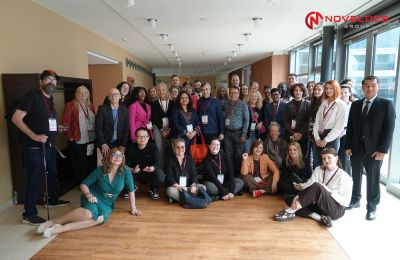
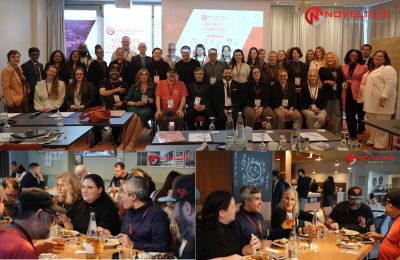
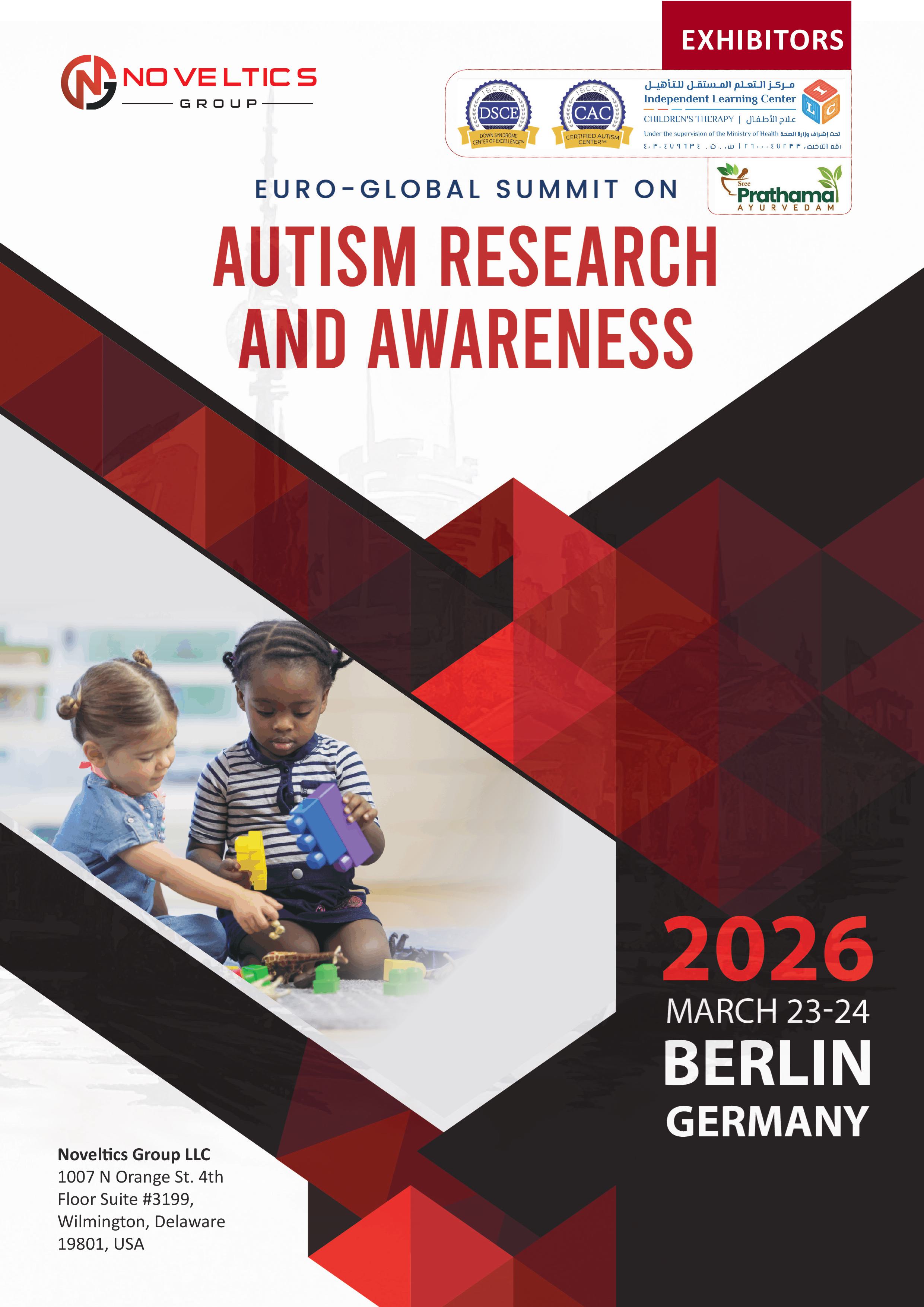
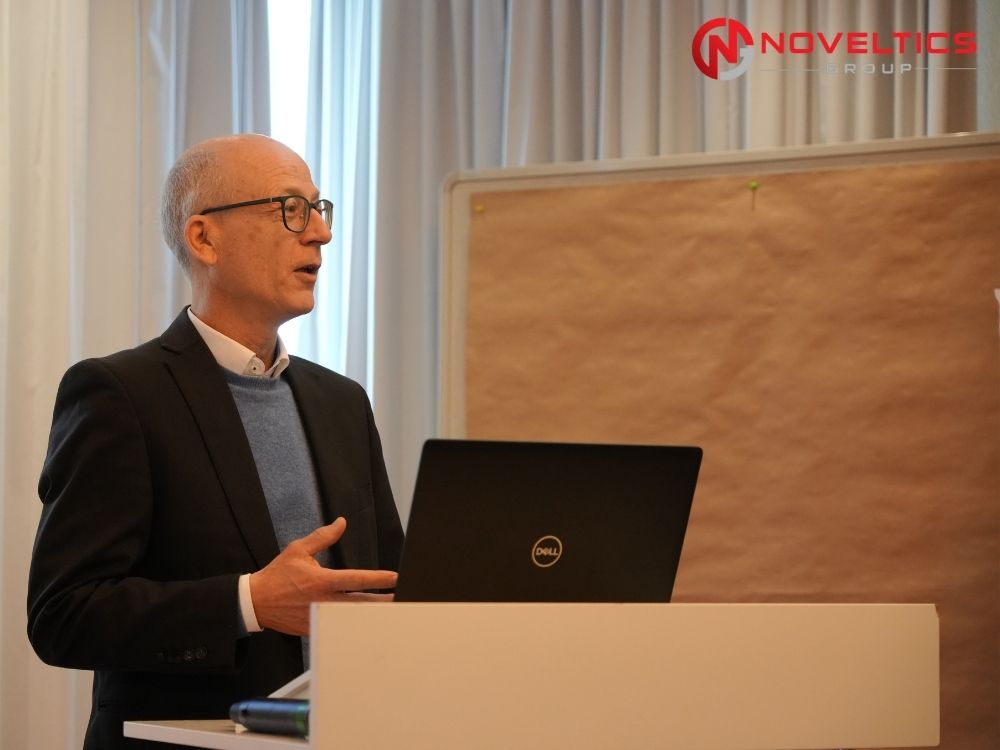
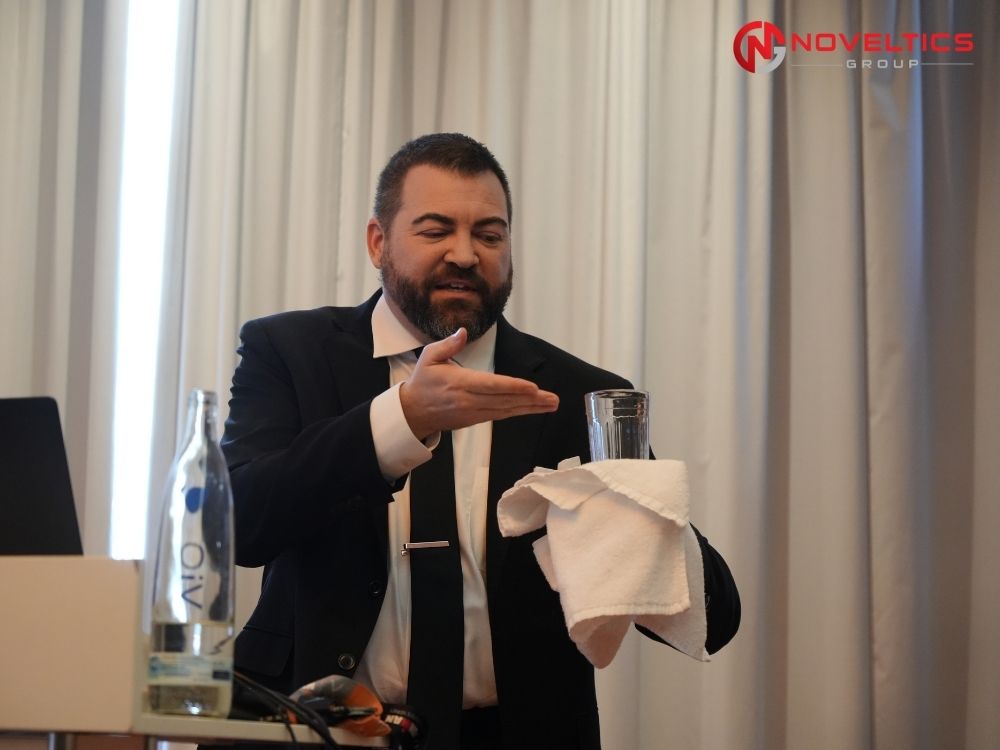
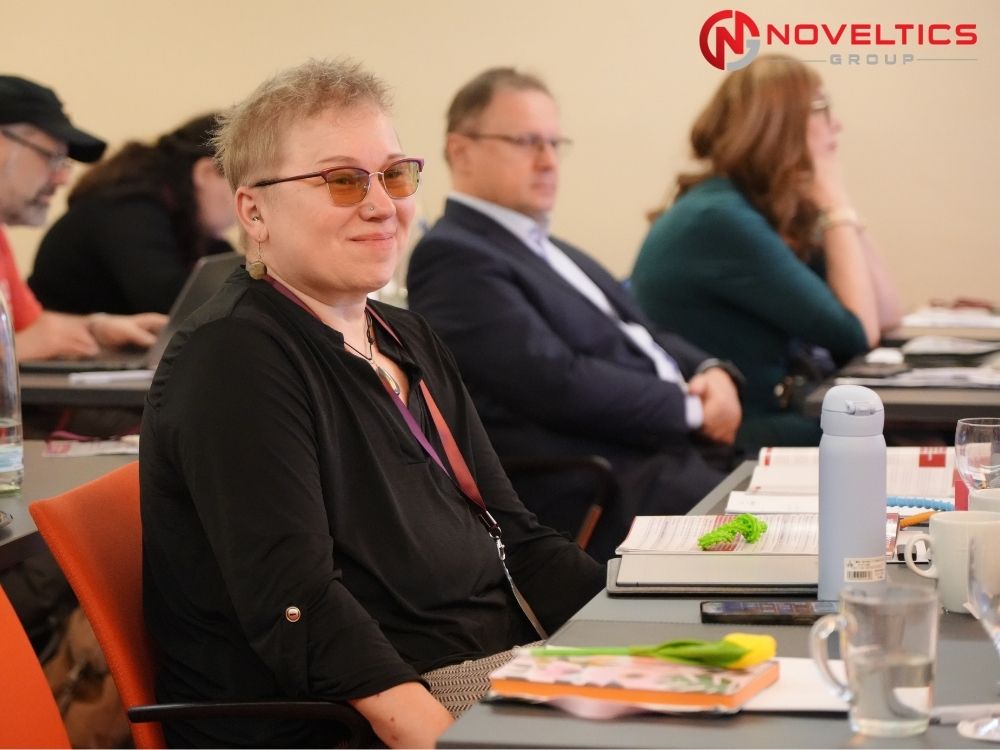
The Euro-Global Summit on Autism Research and Awareness 2026, organized by Noveltics Group LLC, was successfully held on March 23–24, 2026, in Berlin, Germany. Guided by the theme “Different Minds, One World: Embracing the Spectrum,” the summit provided a distinguished international platform for advancing autism research, promoting awareness, and strengthening global collaboration.

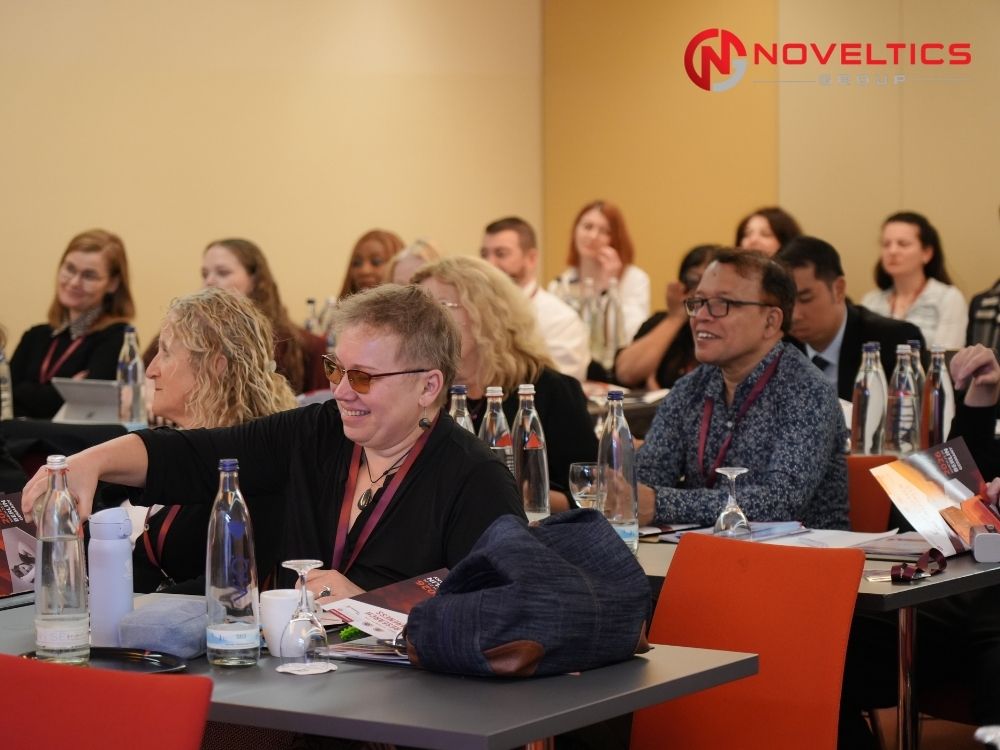
The conference welcomed a diverse and multidisciplinary audience, including researchers, clinicians, therapists, educators, policymakers, and advocates, all committed to improving outcomes and quality of life for individuals on the autism spectrum.

The scientific program was thoughtfully designed to encourage knowledge exchange, innovation, and collaboration, featuring:

      * Keynote addresses by globally recognized experts and thought leaders

      * Oral and poster presentations presenting emerging research and clinical advancements

      * Interactive workshops and panel discussions facilitating interdisciplinary dialogue

      * Structured networking opportunities to promote international partnerships

The sessions fostered engaging discussions and emphasized the translation of research findings into practical, real-world applications.

These sessions delivered actionable insights and highlighted innovative approaches to support individuals across the lifespan.

Global Impact & Collaboration

The summit played a pivotal role in fostering international collaboration and cross-sector engagement, providing a platform for:

    * Dissemination of cutting-edge research and clinical innovations

    * Development of interdisciplinary and cross-institutional partnerships

    * Dialogue between stakeholders in healthcare, education, and public policy

    * Advancement of inclusive practices and global autism awareness

A key focus of the conference was bridging the gap between research and implementation to drive measurable impact in real-world settings.

Participant Experience

Feedback from participants reflected a highly positive and enriching experience, with attendees noting:

   * The scientific quality and relevance of the sessions

   * Opportunities for meaningful professional networking

   * An inclusive and globally engaging environment

   * Practical knowledge applicable to research, clinical practice, and community initiatives

Autism 2026 in Berlin marked a significant milestone in the global effort to advance autism research and awareness. The summit reinforced the importance of innovation, collaboration, and inclusivity in addressing the complex needs of individuals on the autism spectrum.

Building on this success, the upcoming Autism 2027 conference in London, UK, is set to further expand international dialogue, strengthen partnerships, and drive continued progress in autism research, care, and advocacy.


Event Gallery

Venue

Autism 2027-Hotel-Room
Autism 2027-Venue
Autism 2027-Conference-Hall

London, UK


Show on map

Testimonials